You know that woman. The one who walks into a room wearing something pleasingly simple—a white shirt, dark trousers, maybe a vintage watch—and somehow looks more polished than everyone else trying much harder.

She's not wearing designer labels you can't afford. Her clothes aren't revolutionary or particularly trendy. But something about her looks right. Put together. Intentional.
And when you ask her secret, she shrugs and says something unhelpful like "I don't know, I just threw this on."
She's lying. Not maliciously—she probably isn't even aware she's doing it. But there's a system underneath that effortlessness. And once you see it, you can't unsee it.
The Trick Is Deceptively Simple
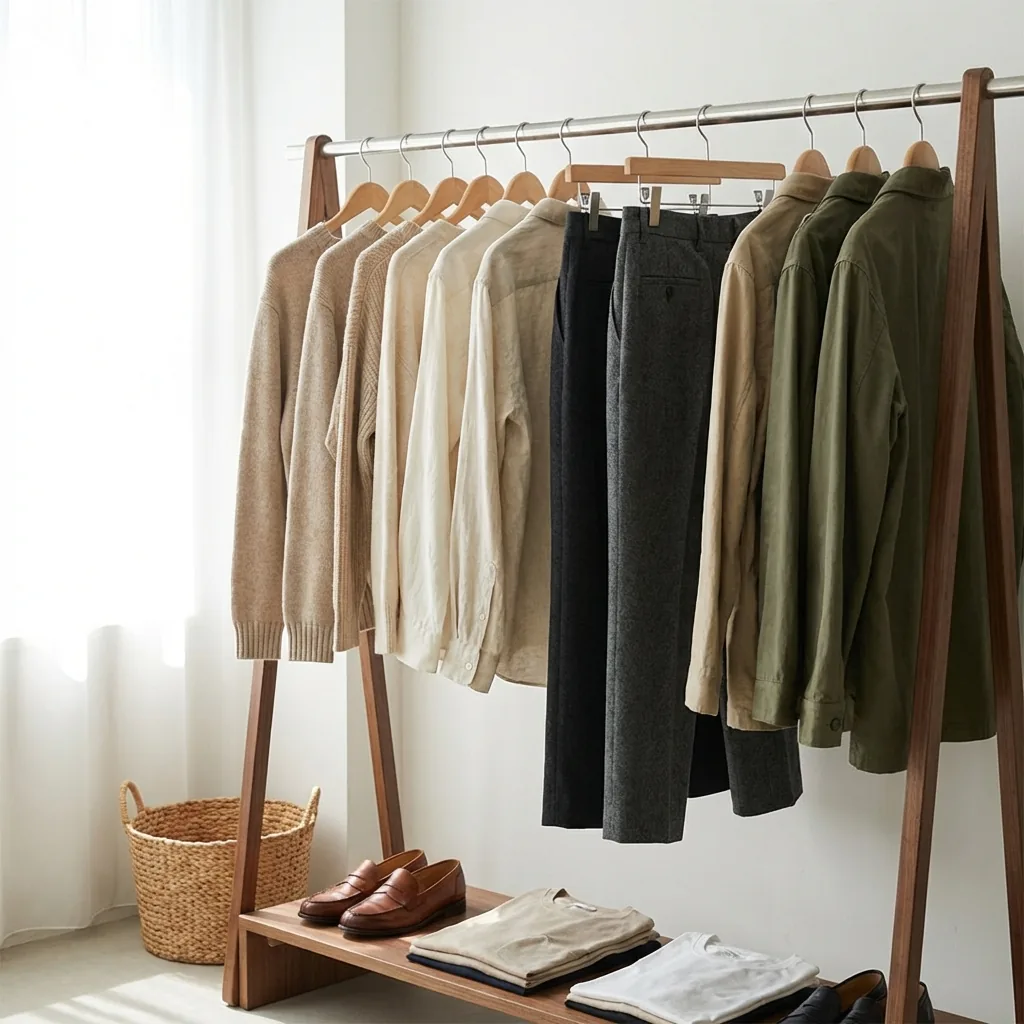
Here it is: She owns fewer pieces that fit better and go with more.
That's it. That's the whole secret. It sounds almost insultingly obvious when you say it out loud, but watch how rarely people actually follow this principle.
Most women own a large volume of clothing, much of which:
- Fits okay but not great
- Was purchased because it was on sale
- Matches one or two things specifically but nothing else
- Has been hanging unworn for months or years
When you own a lot of average pieces, getting an outfit to work requires significant daily effort. You're constantly combining and adjusting and hoping the overall effect reads as intentional.
When you own a curated selection of excellent pieces, everything works together by design. The daily effort drops dramatically.
What "Fewer" Actually Means
I'm not about to tell you to live with 20 pieces total. That's aspirational minimalism that doesn't work for most people's actual lives—especially if you work in an office, have kids, or experience weather.
But I will tell you that wearing the same 30-40 pieces repeatedly will always look better than rotating through 200 pieces haphazardly.
Most of my styling clients, when we do their initial wardrobe audit, discover that they're regularly wearing about 25% of what they own. The rest is filler. Background noise. Guilt.
When we remove the noise and fill the actual gaps? That's when the transformation happens.
What "Better Fit" Actually Means
Fit isn't about your body shape or your size. It's about how the garment lands on your specific proportions. A blazer can be technically "your size" and still pull across the back, or create weird gaps at the collar, or hit you at an unflattering length.
Well-fitting clothes look expensive regardless of their actual price tags. Poorly-fitting clothes look cheap regardless of what you paid.
The women who always look good? They alter things. Or they've spent years learning which brands cut for their specific body. Often both.
This knowledge takes time to develop. You can shortcut it by working with a stylist, or you can build it slowly through intentional trial and error. But you can't skip it entirely.
What "Goes With More" Actually Means
This is the part most women get wrong, and it's usually because of color.
When you buy a top in an unusual shade because you want something "different," you often create a piece that needs very specific conditions to work. It only looks right with one pair of pants. It clashes with your go-to jacket. It requires accessories you don't own.
The women who always look put together usually work within a personal color palette—maybe 8-10 colors that all complement each other. Every piece they buy can combine with most other pieces they own.
This doesn't mean wearing all black or only neutrals. It means being intentional about which colors you invest in, and making sure they play well together.
Building This For Yourself
If you want to build this system—fewer pieces, better fit, total coordination—here's where to start:
Step one: Photograph your 10 most-worn pieces. Look at what they have in common. These pieces reveal your actual preferences, not your aspirational ones.
Step two: Identify gaps. What's missing that would make these pieces work even harder? Usually it's specific neutrals, good layering pieces, or appropriate shoes.
Step three: Stop buying for fantasy. Every piece you add should combine with at least 5 things you already own. If it doesn't, it's not "bringing variety"—it's creating more complexity you'll have to manage.
Step four: Get brutally honest about fit. Bring a trusted friend shopping or try things on at home in good lighting. If something doesn't sit right, it won't start sitting right. Let it go.
The Confidence Component
Here's the final truth: confidence and good style create a feedback loop.
When your clothes fit properly and coordinate effortlessly, you stop adjusting them throughout the day. You stop wondering if your outfit "works." You stop apologizing for what you're wearing.
That ease reads as confidence to everyone around you.
And confidence changes how you carry yourself, which changes how your clothes look on you. Which reinforces the confidence.
The woman who always looks put together isn't more blessed than you. She's just solved a problem once and now benefits from the solution daily.
You can solve it too.
Ready to build a wardrobe that works together? Our styling service creates a complete, coordinated system customized to your life, body, and preferences.